

Can Gemstone Colours Fade Over Time?
Gemstones are highly valued for their vivid colours and natural shine. But when a gemstone in your collection starts to look duller than the rest, it may be a sign of gemstone colour fading.
It’s important to distinguish between a faded gemstone and a dusty one. Dust can be removed through cleaning, whereas genuine fading is often permanent and should be avoided at all costs. In this article, we’ll explore the main causes of gemstone fading and the options available if your gemstones lose their colour.
What Does Gemstone Colour Fading Mean?
Gemstone fading refers to the gradual loss of colour intensity, either across the whole stone or in specific areas. While some gemstones may fade naturally over time, the process is often accelerated by external factors.
Certain stones are more prone to fading than others. For example:
-
Rose Quartz
-
Amethyst
-
Aquamarine
-
Yellow Topaz
Understanding why fading occurs can help you protect your collection.
What Causes a Gemstone to Fade in Colour?
Gemstone colour fading is usually linked to environmental exposure. Below are the most common causes:
1. Sunlight and UV Exposure
Gemstones form deep within the Earth over millions of years, making them naturally sensitive to direct sunlight. Prolonged UV exposure can alter their atomic structure, leading to fading. While brief exposure is unlikely to cause harm, keeping gemstones in direct sunlight for extended periods is one of the biggest risks to their colour.
2. Excessive Heat
Although gemstones are created under intense heat and pressure, this doesn’t mean they’re immune to high temperatures. The unique colours and patterns within a gemstone are produced by trace elements and impurities. Extreme heat can destabilise these, causing the colour to alter or fade.
3. Physical Damage
Gemstones can easily lose their lustre through scratches or abrasions. Storing them together without protection allows them to rub against each other, leaving marks that create a dull appearance. To avoid this, store gemstones individually in soft pouches or compartments.
4. Chemical Exposure
Everyday chemicals found in cosmetics, perfumes, and cleaning products can damage gemstones. These substances may alter the crystal lattice — the arrangement of atoms within the stone — causing rapid fading or dullness. Even limited exposure can impact the gemstone’s brilliance.
What to Do if Your Gemstone Colour Has Faded
If your gemstone has lost its colour, you have several options:
Thorough Cleaning
Sometimes dullness is simply caused by surface residue. A gentle clean with mild soap and lukewarm water, followed by drying with a soft cloth, can often restore its natural shine.
Professional Polishing
For harder, non-porous stones, professional polishing can restore vibrancy. This process removes surface damage and reveals the stone’s original lustre. However, avoid this method with softer stones such as opal or turquoise, which may crack or chip.
Replacing the Gemstone
In many cases, replacing a faded gemstone is the simplest solution. At Gemstone Gifts, you’ll find a wide range of authentic gemstones in the UK, making it easy to find a perfect replacement.
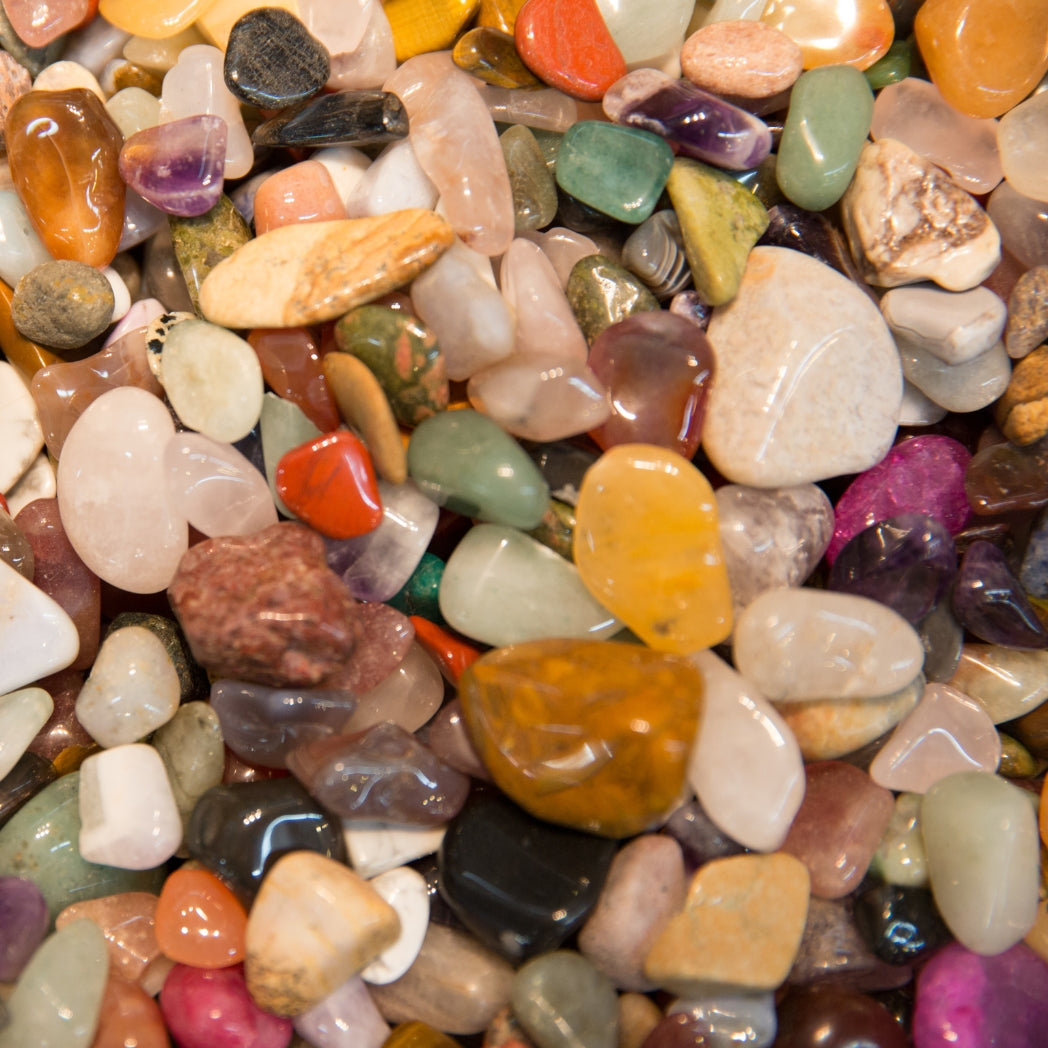
Tumbled stones are particularly popular, as their polishing highlights the natural patterns and colours of the crystal. This ensures you can enjoy a vibrant, lasting gemstone in your collection.
Conclusion
Gemstone fading can be caused by environmental factors such as sunlight, heat, chemicals, or simply the natural ageing of the stone. By storing gemstones properly and avoiding direct exposure to harmful elements, you can prevent premature fading.
And when it’s time for a replacement, you can always trust Gemstone Gifts UK for genuine, high-quality stones that retain their beauty for years to come.
- Choosing a selection results in a full page refresh.